Brand Identity vs. Brand Image: What's the Difference?
Brand identity is what you say about yourself. Brand image is what people actually believe. Here's the difference, and why the gap between them matters.

A business owner once told us their brand felt "premium and trustworthy." Their customers described it, in reviews, as "cheap but reliable." Neither side was wrong. They were just describing two different things: brand identity and brand image. Confusing the two is one of the most common reasons rebrands miss the mark entirely.
Here's how they're actually different, and why the gap between them is worth paying attention to.
What Is Brand Identity?
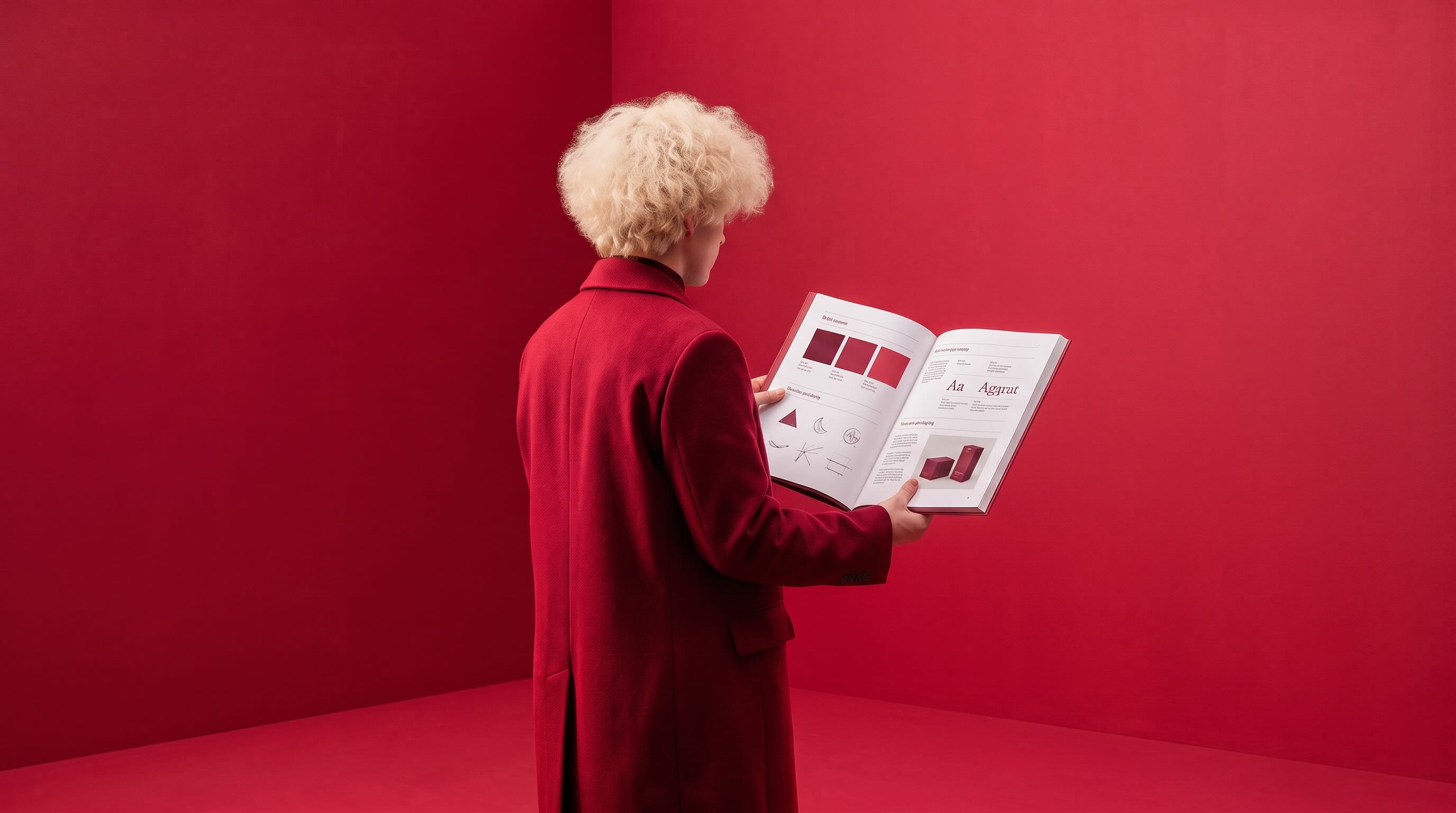
Brand identity is everything a business intentionally puts out into the world. It's the logo, the color palette, the typography, the tone of voice, the mission statement. It's the visual and verbal system a company builds on purpose to represent itself.
Identity is fully within your control. You choose the fonts. You choose the colors. You choose the words in your tagline.
In short: identity is what you say about yourself.
What Is Brand Image?
Brand image is how people actually perceive the brand, formed by real experience, not marketing. It's shaped by customer reviews, word of mouth, social sentiment, and every interaction someone has with the business, good or bad.
Unlike identity, image is not something you control directly. You can influence it, but ultimately it lives in the minds of your audience.
In short: image is what people say about you.
Brand Identity vs. Brand Image: Side by Side
Why the Gap Between Them Matters
Every brand has some gap between identity and image. The problem starts when that gap gets wide.
A brand that positions itself as "innovative" but is known by customers as outdated has a serious perception problem, no matter how modern its logo looks. A brand built around "friendly and responsive" but known for slow, frustrating support is telling two different stories at once, and audiences trust the one they've actually experienced over the one printed in the brand guidelines.
The wider that gap, the harder a business has to work to earn trust, because people believe what they've lived through more than what they've been told.
How to Close the Gap
Closing the gap starts with consistency. Every touchpoint, the website, the social presence, customer service, the product itself, needs to actually reflect the identity a brand claims to have. A polished visual system means very little if the real experience contradicts it.
It also means listening. Reviews, social mentions, and direct feedback are a direct line into how a brand is actually perceived, and that information is worth acting on, not ignoring.
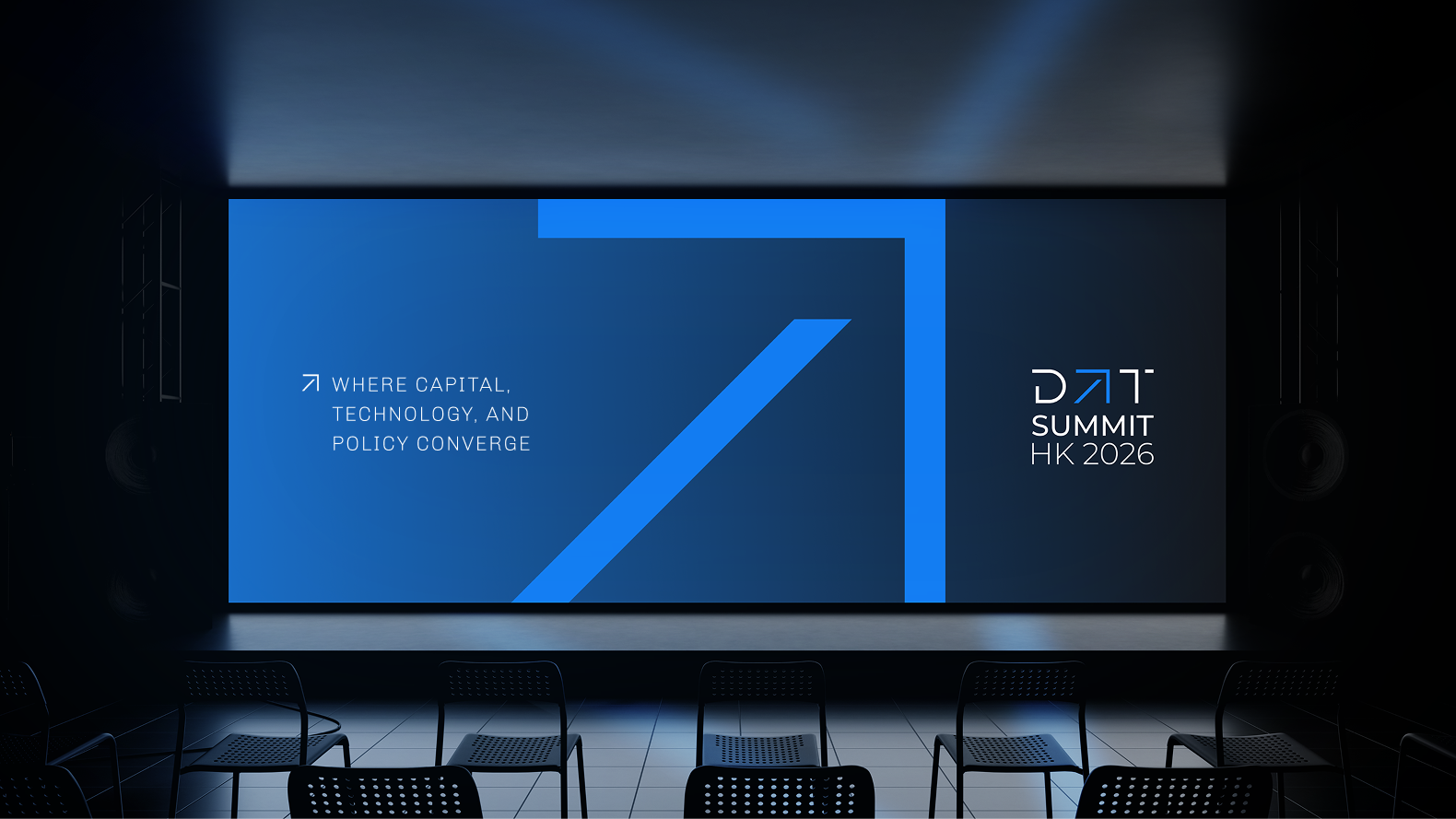
This is where a strong brand identity system does real work. Take DAT Summit, a global summit at the intersection of finance, technology, and policy. Building the identity from the ground up meant creating a visual system that felt institutional and credible from day one, so the perception matched the ambition of the event itself. The result was a summit that launched across three global editions with a unified, recognizable identity carried through every touchpoint.
Crypto Polo Cup is another good example of identity and image working in step. The brief was to balance exclusivity with modern relevance, an identity that felt elevated and international while staying connected to a younger, digitally native audience. That balance carried through into how the event is actually perceived: it's grown to over 3,000 attendees and 50+ ambassadors across four years running, which only happens when the identity people see matches the experience people actually have.

The Bottom Line
Brand identity is the story you tell. Brand image is the story people believe. The two aren't always the same, and the goal isn't perfection, it's making sure the gap between them stays small enough that your audience's experience actually confirms what you're claiming to be.
At Studio36, this is the thinking behind every identity system we build: not just something that looks right, but something built to hold up once real people interact with it. You can see more of that across our full portfolio of work. Not sure whether your brand identity and brand image are actually aligned? Reach out and let's take a look together.