What to Expect When Working with a Design Studio
Thinking about hiring a design studio but not sure what to expect?


Reaching out to a design studio for the first time can feel like a leap. You don't know how long it'll take, what you're expected to provide, or what actually happens between "we're interested" and "here's your finished website." That uncertainty is often what keeps people from reaching out at all.
Here's a clear breakdown of what the process actually looks like, so there are no surprises.
The Discovery Call
Every good project starts with a conversation, not a sales pitch. This is where the studio gets to understand your goals, your audience, your budget, and your timeline. It's also your chance to ask questions and get a feel for how the studio works before committing to anything.
A good discovery call goes both ways. You should walk away with a sense of whether this studio actually gets what you're trying to build, not just a quote in your inbox.
Proposal & Scope
After the call, you'll typically receive a proposal outlining exactly what's included: the deliverables, the timeline, and the pricing. This document matters more than people expect.
A clearly defined scope protects both sides. It means you know exactly what you're paying for, and the studio knows exactly what they're delivering, with no vague promises or scope creep down the line.
The Design Process
Once the project kicks off, most studios move through a few consistent stages: research and discovery, initial concepts, feedback and revisions, then refinement toward final delivery.
It's worth setting realistic expectations here. Good design takes rounds of feedback. If a studio promises a perfect first draft with zero revisions, that's usually a red flag, not a selling point. The back and forth is part of how the work actually gets better.
What's Expected from You
This is the part people often don't think about going in. A design studio can only move as fast as the client lets it.
That usually means: timely feedback on drafts and concepts, access to any existing brand materials or accounts needed, and one clear point of contact on your side to avoid mixed feedback from multiple people. Projects that stall are rarely the studio's fault, they're almost always waiting on a decision or a file from the client's end.
Delivery & Handoff
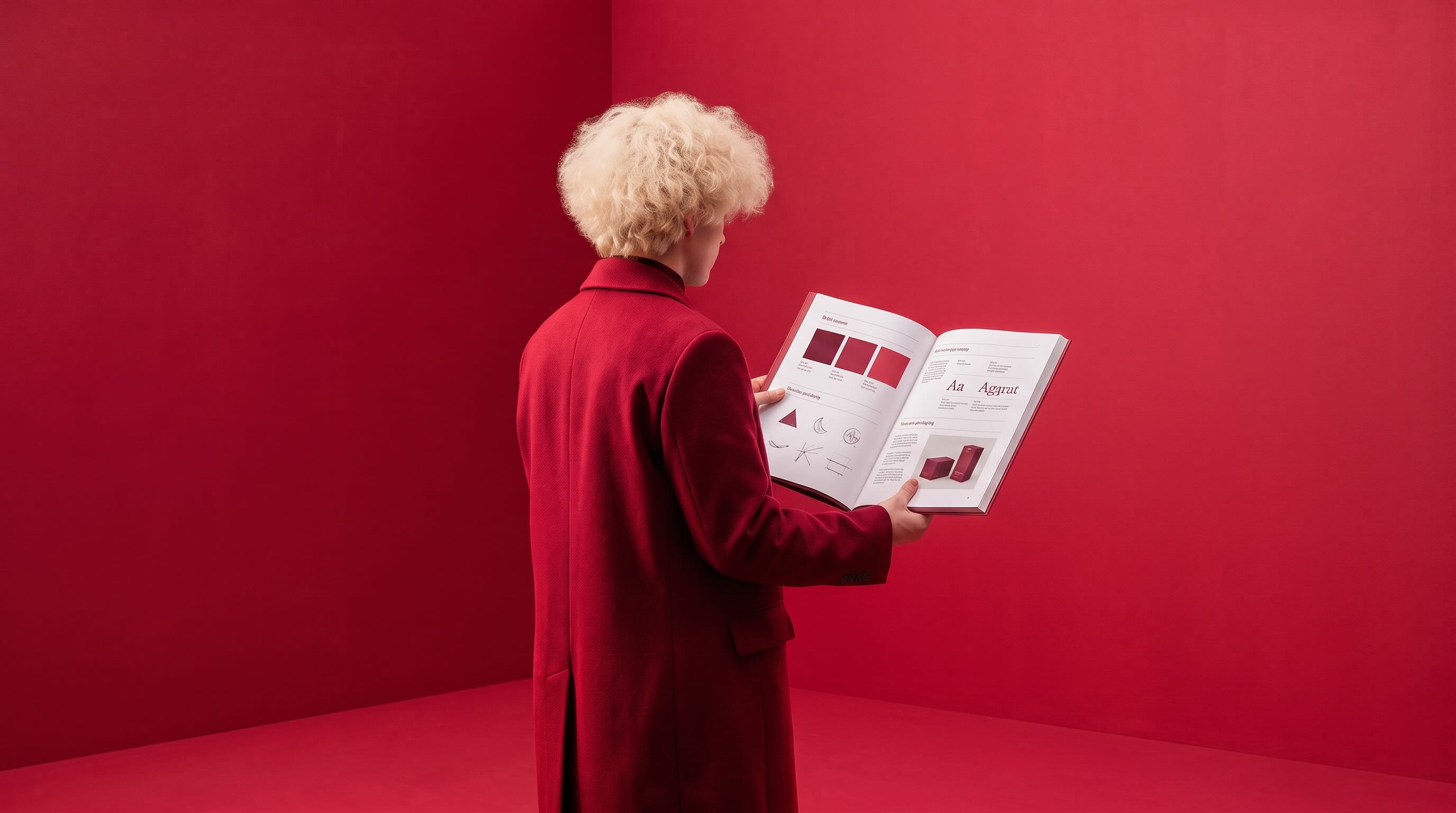
When the project wraps, "done" should mean more than just a finished file. A proper handoff usually includes final source files, any brand guidelines or style documentation, and enough context or training that you can actually use and maintain what was built.
If a studio hands you a final file and disappears without explaining how to use it, that's an incomplete delivery, not a finished one.
The Bottom Line
A good process removes the guesswork. You should always know what stage you're in, what's expected of you, and what happens next, from the first call to final delivery.
At Studio36, this is exactly how we approach every project: clear scope, clear communication, and no surprises along the way. If you're weighing whether to reach out, the best next step is simple, book a discovery call and see how it feels.